Cape Coast, Winneba hospitals to get CT, MRI, 3D mammography machines
The Ghana Medical Trust Fund (GMTF) is set to equip two major hospitals in the Central Region with a range of advanced diagnostic machines in a major intervention aimed at improving early detection, diagnosis and treatment of serious and chronic diseases.
The Cape Coast Teaching Hospital and the Winneba Trauma and Specialist Hospital are expected to receive state-of-the-art diagnostic equipment under plans by the Fund to close critical gaps in specialised healthcare delivery in the region.
The intervention is expected to significantly strengthen the capacity of the two facilities to diagnose cancer and other life-threatening conditions early, provide timely treatment and reduce the need for patients to travel outside the region in search of specialised diagnostic services.
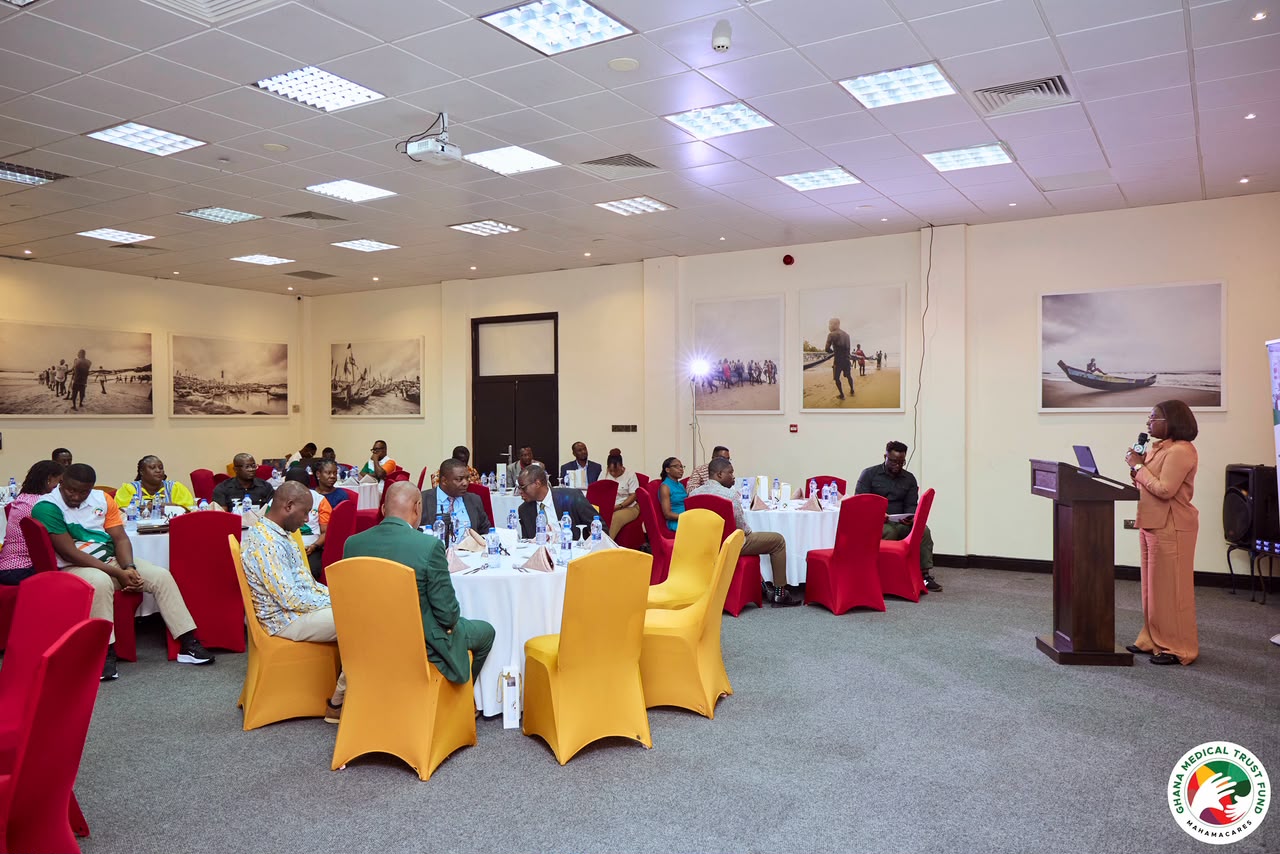
The Administrator of the GMTF, Adjoa Obuobia Darko-Opoku, announced the intervention at a stakeholder engagement with specialist doctors, medical practitioners and other health-sector stakeholders in Cape Coast.
The engagement, dubbed “One Year On – An Evening of Reflection,” formed part of the second leg of the Fund’s nationwide regional sensitisation tour and provided an opportunity for medical professionals to review the GMTF’s achievements during its first year and identify critical areas requiring urgent attention.
The announcement came after an earlier broad-based stakeholder engagement at the Centre for National Culture in Cape Coast, which brought together key stakeholders from across the region, including traditional rulers, heads of the various security agencies, Metropolitan, Municipal and District Chief Executives (MMDCEs), academics and students, among others.
At that engagement, the mandate, objectives and interventions of the GMTF were espoused to the stakeholders, with emphasis on the Fund’s role in mobilising resources and strengthening access to specialised healthcare for Ghanaians.
The engagement also provided a platform for stakeholders to gain a deeper understanding of the Fund’s work, its interventions during its first year of operations and the critical role communities and institutions could play in supporting its mission.
Cape Coast package
Under the planned intervention, the Cape Coast Teaching Hospital is expected to receive:
- A 128-slice Computed Tomography (CT) scan, with an uninterruptible power supply (UPS) and stabiliser.
- A 1.5 Tesla Magnetic Resonance Imaging (MRI) machine, also with UPS and stabiliser.
- A Digital Breast Tomosynthesis (DBT)/3D mammography machine.
- A stereotactic biopsy system with biopsy chair.
- A fluoroscopy machine.
At the Winneba Trauma and Specialist Hospital, the GMTF plans to provide:
- A 64-slice CT scan with UPS and stabiliser.
- A DBT/3D mammography machine.
- A stereotactic biopsy system with biopsy chair.
- A biochemistry analyser.
- An ultrasound machine.
Ms Darko-Opoku said plans were far advanced for the equipment to be delivered to the two facilities, stressing that the intervention formed part of the GMTF’s broader mandate to identify critical healthcare gaps and mobilise resources to address them.
She said the equipment would enable the hospitals to undertake more sophisticated investigations and improve the speed and accuracy of diagnosis.
According to her, strengthening diagnostic capacity was particularly important in the fight against cancer and other chronic diseases, where early detection could make the difference between timely treatment and a much more difficult clinical outcome.
The intervention, she said, would also improve access to specialised imaging and diagnostic services for patients in the Central Region.
Closing healthcare gaps
The GMTF Administrator said the Fund would continue to work closely with health facilities, medical professionals and other stakeholders to identify areas of need and channel resources towards interventions with the greatest impact on patients.
She said the Fund’s first year had demonstrated the urgent need for sustained investment in specialised healthcare, particularly in diagnostic infrastructure, medical equipment and specialist capacity.
The stakeholder engagements brought together a wide cross-section of the Central Region’s leadership and healthcare community to reflect on the Fund’s first-year journey and discuss strategies for expanding access to quality specialised healthcare.
The planned equipment intervention is expected to give a major boost to specialised healthcare delivery in the Central Region, while bringing critical diagnostic services closer to communities and giving more patients a better chance of receiving the right diagnosis and treatment at the right time.