Region calls on Trust Fund to support oncology, dialysis and critical care facilities to improve access to life-saving treatment
Stakeholders in the Upper East Region have called on the Ghana Medical Trust Fund (GMTF), to help address critical gaps in specialised healthcare delivery, expressing confidence in the Fund’s capacity to support the development of essential medical facilities and expand access to life-saving treatment.
They have identified the need for an oncology unit, a modern dialysis centre and specialised intensive care units for women with life-threatening complications during pregnancy and childbirth as priority areas requiring attention to improve healthcare delivery in the region.
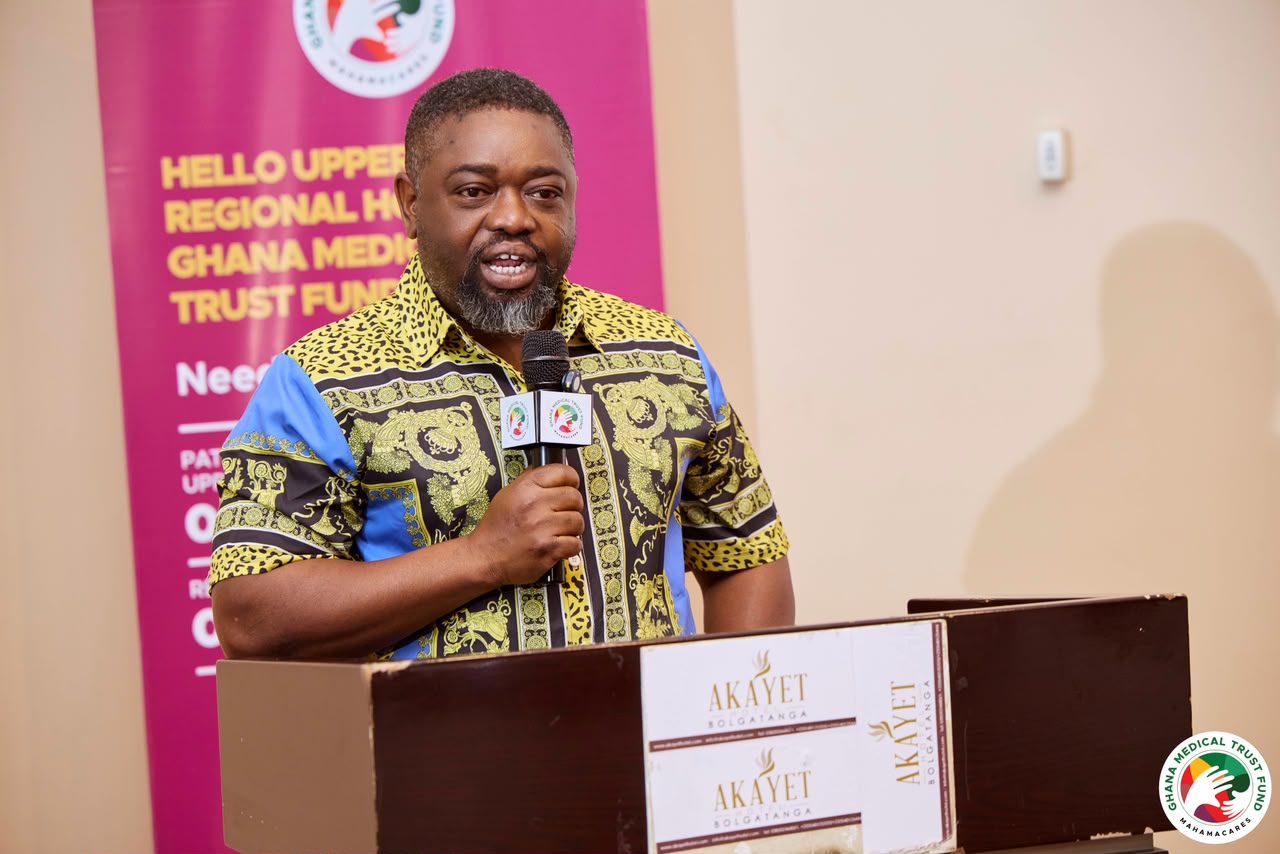
The stakeholders made the call during a regional engagement in Bolgatanga as part of the GMTF’s nationwide sensitisation tour, during which they outlined the region’s pressing healthcare needs and urged the Fund to help bridge existing gaps in infrastructure, equipment and specialist services.
Their appeal reflects growing expectations that the Fund, established to ease the financial burden of treating chronic and life-threatening diseases, can play a significant role in strengthening specialised healthcare delivery beyond the major urban centres.
They stressed that expanding access to specialised treatment in the Upper East Region would reduce the difficulties patients face in seeking advanced medical care and help ensure that their chances of receiving quality treatment were not determined by where they lived or their financial circumstances.
The engagement brought together traditional authorities, government officials, health professionals and other stakeholders to discuss how the Fund’s interventions could respond to the region’s healthcare priorities.
The Chairman of the occasion, Bongo Naaba, Naba Baba Salifu Atamale Lemyaarum, who represented the President of the Upper East Regional House of Chiefs, described the establishment of the Fund as a step in the right direction.
He said the initiative deserved the support and commitment of all stakeholders to ensure that its benefits reached people in need of specialised healthcare.
The Upper East Regional Minister, Hon. Akamugri Donatus Atanga, said the sensitisation tour provided an important opportunity to deepen public understanding of the Fund’s mandate and strengthen collaboration to improve access to treatment for people living with chronic and life-threatening conditions.
He said no family should be forced into avoidable hardship because a loved one required expensive medical care.
Mr Atanga urged health professionals, traditional authorities and community leaders to intensify public education on the Fund and help eligible patients understand how to access its support.
Hospitals identify critical investment needs
The Medical Director of the Bolgatanga Regional Hospital, Dr Joseph Kojo Tambil, commended the GMTF for its work within its first year of operations, describing its establishment as timely.
He expressed appreciation for medical equipment donated to the hospital, saying the support would contribute to improving healthcare delivery.
However, he drew attention to significant infrastructure gaps that required further investment, particularly the absence of an oncology unit and the need for biosafety equipment to strengthen the hospital’s capacity to provide specialised services.
Dr Tambil also called for the hospital to be upgraded into a teaching hospital and for a university hospital to be established to support specialist training, research and advanced medical care in the region.
His appeal added to calls for the GMTF to help strengthen healthcare infrastructure and improve the capacity of health facilities in the Upper East Region to manage complex medical conditions.
Dialysis and maternal critical care top priorities
The Upper East Regional Director of Health, Dr Braimah Abubakari, called for urgent attention to maternal deaths in the region, advocating the establishment of specialised intensive care units to manage mothers who develop severe complications during pregnancy and childbirth.
He also identified the lack of a modern dialysis centre at the regional hospital as a major gap, urging support for a facility that would improve access to treatment for patients with kidney-related conditions.
The stakeholders said addressing these needs would strengthen the region’s healthcare system and reduce the burden on patients who must seek specialised services elsewhere.
GMTF urged to translate mandate into local impact
The Administrator of the GMTF, Adjoa Obuobia Darko-Opoku, said engagements across the country were helping the Fund better understand the healthcare challenges confronting different regions and identify opportunities for collaboration.
She said serious illnesses could place enormous financial and emotional pressure on households, particularly when the cost of specialised treatment was beyond their means.
“For the people of the Upper East Region, where anyone lives must not deny that person specialised healthcare,” she said.
Ms Darko-Opoku stressed that public awareness was essential to ensuring that eligible patients benefited from the Fund’s support.
She called for stronger collaboration among healthcare professionals, traditional authorities, government institutions and community leaders to ensure that patients were informed about available assistance and could access the support for which they qualified.
The Chairman of Parliament’s Health Committee, Dr Mark Kurt Nawaane, also urged residents to take advantage of the GMTF’s interventions, emphasising that government health policies must translate into practical assistance for patients and their families.
He cited the Free Primary Healthcare initiative, the GMTF and other national health policies as interventions intended to improve access to healthcare.
The Bolgatanga engagement forms part of the GMTF’s nationwide sensitisation campaign to explain its mandate, strengthen partnerships with healthcare institutions and improve access to specialised treatment for people living with non-communicable diseases.
The calls from the Upper East Region have placed the need for specialised facilities and services firmly on the agenda, with stakeholders looking to the Fund to help close critical gaps and strengthen the region’s capacity to provide quality healthcare.
They said a stronger response to these needs would help bring specialised healthcare closer to communities and ensure that patients in the region had better access to the treatment they needed.